Rodent Control · Paris, TX
Rodent Control in Paris, TX
When the first cold front rolls through Lamar County, the scratching in the attic starts. Mice and rats are looking for the same thing you are: a warm, dry place with food close by.
- Same day service option
- Free inspection request
- Paris · Lamar County
Quick answer
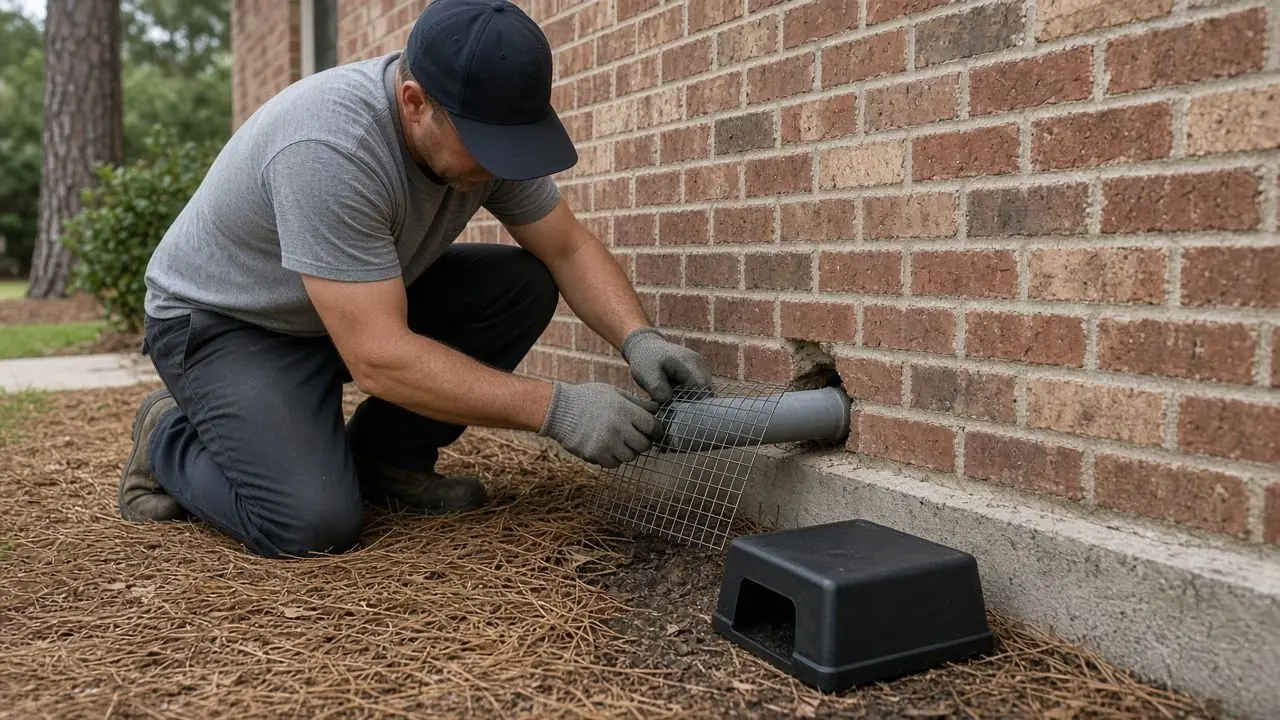
Rodent control in Paris works best in three steps that the CDC sums up as seal up, trap up and clean up. A technician finds every gap a mouse or rat can squeeze through, closes them with metal and sealant, traps the ones already inside and sets locked bait stations outside when needed. Paris Pest Control connects you with a local technician who explains the work and price before starting.
Mice and Rats Around Paris
Three rodents cause most of the calls in town and out in the county.
- House mice: small, gray brown, with big ears. They nest in walls, cabinets and stored boxes. Droppings are about the size of a grain of rice.
- Roof rats: sleek, dark and good climbers. They run along fences, power lines and tree limbs to get onto the roof, then into the attic. Pecan trees and pines that hang over a roof make that easy.
- Norway rats: heavier and brown. They dig burrows along foundations, under sheds and near feed rooms in barns.
Out on the farms and ranches between Paris and the Red River, feed, hay and grain draw rodents to barns and shops first. Once the weather turns, they move into the house.
Signs You Have Rodents
- Droppings along walls, in drawers, under the sink or behind the stove.
- Scratching or running sounds at night in the attic or walls.
- Gnaw marks on wood, wiring, plastic pipes or food boxes.
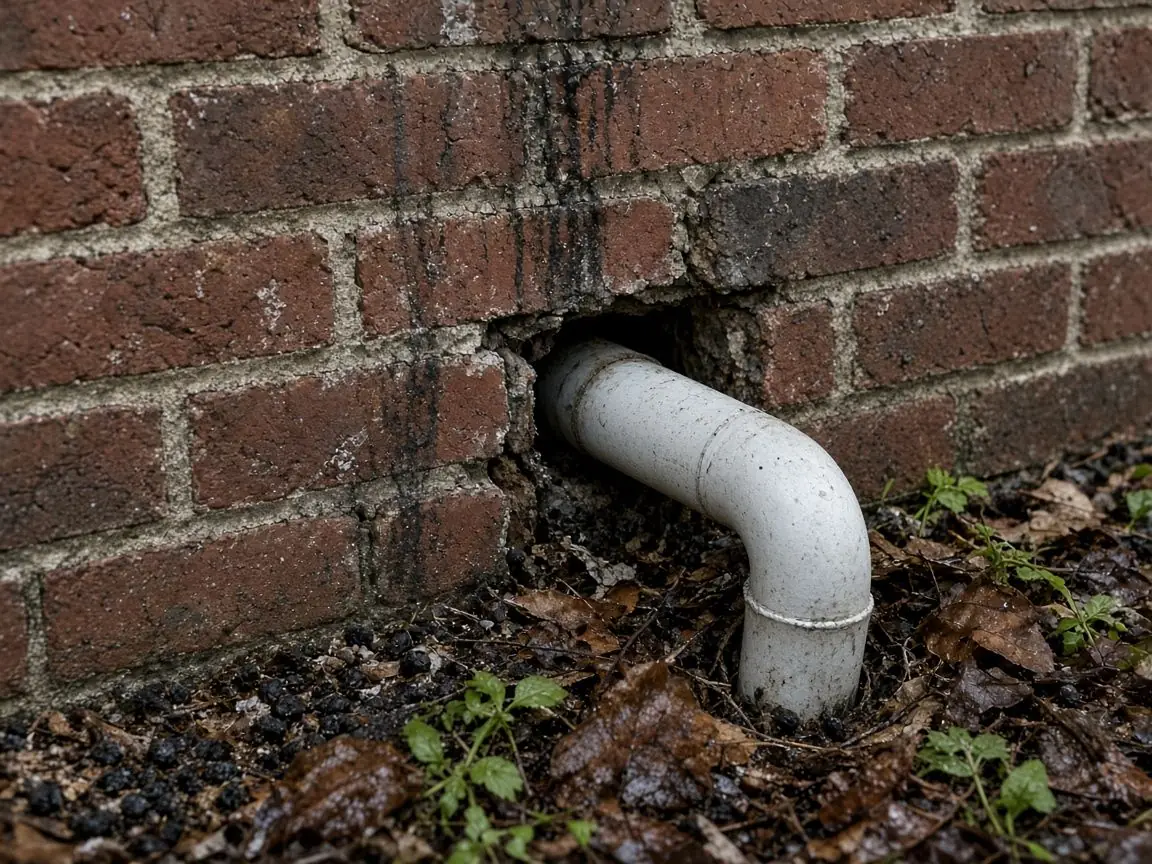
- Greasy dark rub marks along a wall or where a pipe enters.
- Shredded paper, insulation or fabric balled up as a nest.
- A dog or cat staring at one spot on the wall.
How Mice and Rats Get In
The CDC says a mouse can fit through a hole the width of a pencil, about a quarter inch. Rats need a little more room, but not much. In Paris homes the usual entry points are:
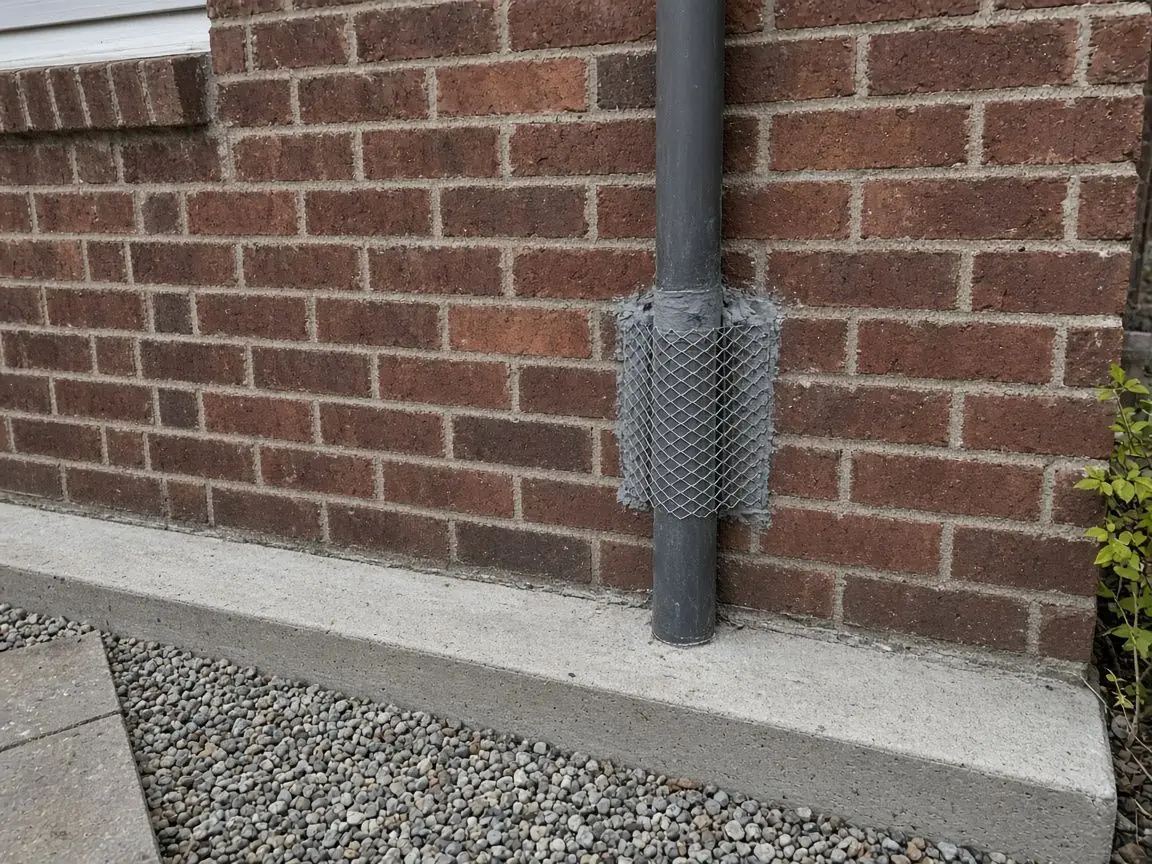
- Gaps where plumbing, gas, AC lines and cable enter the wall.
- Garage doors with worn bottom seals.
- Weep holes and gaps at the top of brick veneer.
- Openings in crawl space skirting on pier and beam homes.
- Roof returns, soffits, gable vents and where the roof meets a chimney.
- Dryer vents without a flap.
What Your Technician Will Do
- Inspect inside and out
Your technician checks the attic, crawl space, garage and the full outside of the home, from the foundation to the roof line. They mark every gap, rub mark and runway.
- Seal up
Small holes get packed with steel mesh and sealed. Larger gaps get hardware cloth, metal flashing or cement. Foam alone will not stop rodents, since they chew right through it.
- Trap up
Snap traps go along walls and in the places rodents travel. The CDC recommends snap traps for most homes and suggests checking them daily.
- Bait stations when needed
Outside, tamper resistant bait stations can cut down rodent numbers around the foundation. Your technician places them where kids, pets and other animals cannot get to the bait. The EPA has rules on how rodent bait can be sold and used for this reason.
- Clean up and follow up
Your technician returns to check traps and gaps. They also explain how to clean droppings safely.
Cleaning Up After Rodents Safely
Rodent urine and droppings can carry germs. The CDC gives clear steps:
- Open doors and windows and let the area air out for 30 minutes before you start.
- Wear rubber or plastic gloves.
- Spray droppings and nests with a disinfectant or a bleach and water mix until soaked. Let it sit for 5 minutes.
- Wipe it up with paper towels and toss them in a sealed bag.
- Do not sweep or vacuum droppings. That can stir germs into the air.
Keeping Rodents Out for Good
- Store pet food, bird seed and deer corn in metal or thick plastic bins with tight lids.
- Keep firewood and junk piles away from the house and off the ground.
- Trim tree limbs back from the roof so roof rats cannot jump across.
- Pick up fallen pecans and fruit in the fall.
- Keep the trash can lid closed and the can away from the back door.
Barns, Shops and Rural Homes
Homes out in the county face more rodent pressure than homes in town. A hay barn, a feed room or a shop full of stored equipment can hold a big rodent crowd that spills into the house each fall. Your technician will look at outbuildings as well as the home. Raised feed bins, tight doors on feed rooms and clean floors around grain spills all cut down the food supply. The CDC also suggests keeping wood piles and compost well away from the house and raising stacked wood off the ground.
Rodent Control Questions
Should I use glue boards?
The CDC advises against glue traps and live traps because they can scare rodents and make them urinate, which raises the chance of spreading germs. Snap traps are the better choice in most homes.
Is poison bait safe to use inside my house?
Bait inside a home can lead to rodents dying in walls, which causes a strong smell. Bait can also harm pets and kids. Most technicians keep bait in locked stations outside and use traps indoors.
How long does it take to get rid of mice?
Once gaps are sealed and traps are set, most homes see a big drop in a week or two. The CDC suggests trapping until you see no new signs for a week.
Why do I hear rats in the attic only at night?
Rats and mice are most active after dark. That is when they leave the nest to look for food and water.
Can rodents chew through wiring?
Yes. Rodents gnaw to keep their teeth worn down, and that includes wires, which can be a fire risk. Have chewed wires checked by an electrician.
Same day service option
Get Rid of Mice and Rats in Paris
The sooner gaps are sealed, the fewer rodents move in for the winter. Send the short form and a local technician will reach out to set an inspection. Same day service is an option when the route allows.
More services
Other pest control services in Paris, TX
Termite Control
Inspection, soil treatment and bait systems for subterranean termites.
Bed Bug Treatment
Inspection, heat and targeted treatment for bed bugs in homes and rentals.
Roach Control
Baits, growth regulators and crack treatments for German and American roaches.
Spider & Scorpion Control
Recluse, black widow and bark scorpion inspection and treatment.
Wasp & Bee Removal
Safe removal of wasp and yellow jacket nests, with honey bee relocation advice.
Ant Control
Fire ant yard programs and indoor ant baiting that reach the colony.
Mosquito Control
Yard treatments and breeding site cleanup for a more usable back yard.
Wildlife Removal
Raccoons, squirrels, armadillos and snakes removed and entry points sealed.
Sources
- CDC: How to Seal Up to Prevent Rodents
- CDC: How to Trap Up to Remove Rodents
- CDC: How to Clean Up After Rodents
- U.S. EPA: Rodenticides
Before & After
Before and after examples